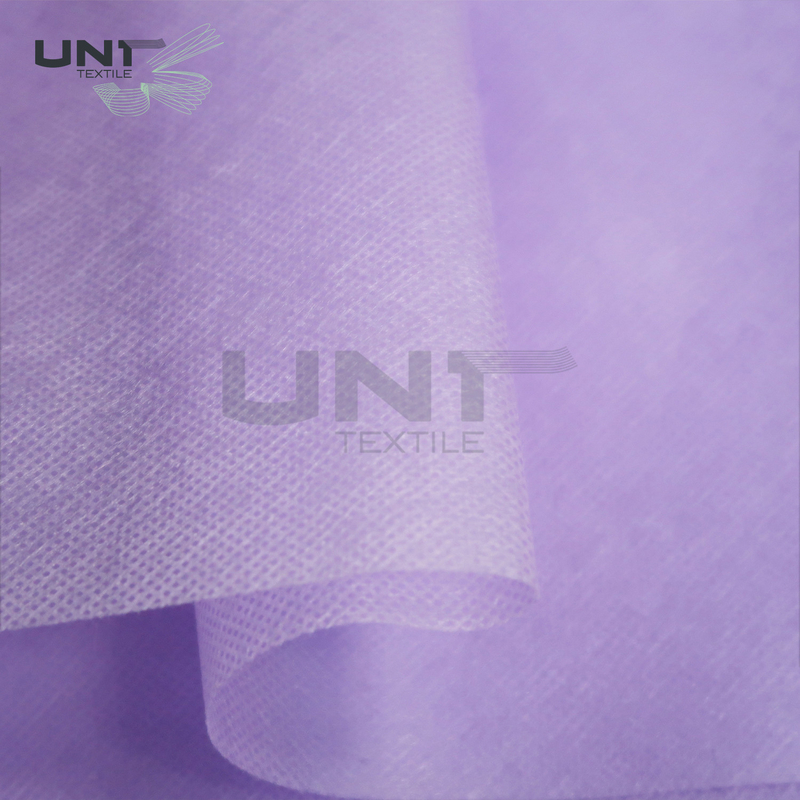
Spunbond nonwoven fabric is a type of nonwoven material manufactured through the spunbonding process, where thermoplastic fibers are spun, laid into a web, and then bonded together. This fabric is widely recognized for its strength, durability, and versatility, making it ideal for various industrial, medical, and consumer applications.
Key Features of Spunbond Nonwoven Fabric
Composition: Typically made from polypropylene (PP), polyester (PET), or other thermoplastic polymers. The material is spun into continuous filaments and bonded without weaving or knitting.
Manufacturing Process: In the spunbond process, plastic polymer is extruded into filaments and spun directly onto a conveyor belt. The web of fibers is then bonded by applying heat, pressure, or both, resulting in a fabric with high strength and flexibility.
Key Properties
Durability: High tensile strength and tear resistance, ideal for heavy-duty applications like geotextiles, protective clothing, and packaging materials
Lightweight: Strong yet relatively lightweight, easy to handle and suitable for applications requiring strength without excessive weight
Breathability: Excellent air permeability allowing air and moisture passage, ideal for medical gowns, face masks, and filters
Chemical Resistance: Resistant to many chemicals, suitable for environments requiring chemical protection
Cost-Effective: Efficient manufacturing process makes it affordable for large-volume applications
Applications of Spunbond Nonwoven Fabric
Medical and Healthcare: Surgical gowns, masks, drapes, wound care products, bandages, gauze pads, and sterilization wraps due to breathability, liquid barrier properties, and disposability
Hygiene Products: Diapers, adult incontinence products, baby wipes, feminine hygiene products including sanitary napkins and pantyliners for strength, absorbency, and leakage prevention
Agriculture: Crop covers, frost protection, weed barriers, and landscaping fabrics that allow plant growth while protecting from environmental factors
Packaging: Protective packaging for fragile items, lining material for shoes and electronics, combining strength with lightweight properties
Construction: Geotextiles for drainage systems, road construction, and landfill liners, providing durability, abrasion resistance, filtration, and separation
Fashion and Apparel: Protective clothing including lab coats, disposable aprons, and coveralls offering barrier protection while remaining breathable
Advantages of Spunbond Nonwoven Fabric
Strength and Durability: Highly resistant to tearing, suitable for industrial wipes, geotextiles, and protective clothing
Lightweight and Flexible: Easy to handle and shape, ideal for packaging and disposable hygiene products
Breathability: Allows air and moisture passage, comfortable for medical gowns and filters
Cost-Effective: Efficient manufacturing process makes it affordable for large-scale production
Eco-Friendly: Can be made from recyclable materials like polypropylene, offering environmental benefits when disposed of properly
Spunbond nonwoven fabric is a highly versatile material offering a unique combination of strength, durability, breathability, and lightweight properties. Suitable for diverse applications across medical, agriculture, and packaging industries, its cost-effectiveness and environmental benefits make it a preferred choice for high-performance materials. At Shanghai Uneed Textile Co., Ltd., we provide premium spunbond nonwoven fabrics customized to meet specific requirements, ensuring consistent quality and performance for all applications.