logo
Shanghai Uneed Textile Co.,Ltd
Email: info@uneed-tex.com TEL: +86-21-33608891
Home > Products > Woven Interlining >
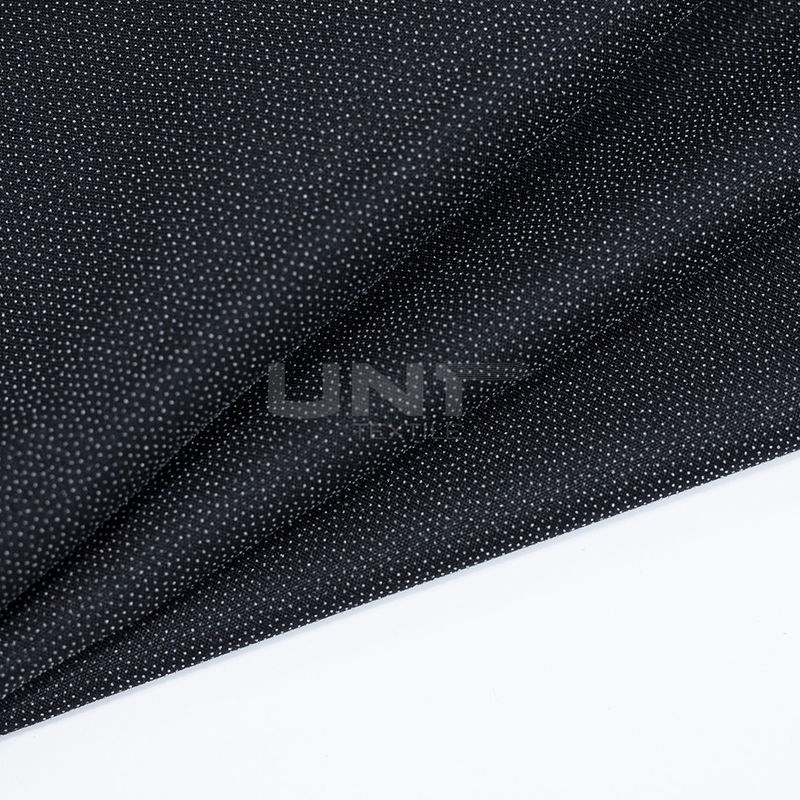
Breathable Waterproof Woven Interlining with Double Dot Fusible Interlining for Garments
  • Breathable Waterproof Woven Interlining with Double Dot Fusible Interlining for Garments
  • Breathable Waterproof Woven Interlining with Double Dot Fusible Interlining for Garments
  • Breathable Waterproof Woven Interlining with Double Dot Fusible Interlining for Garments
  • Breathable Waterproof Woven Interlining with Double Dot Fusible Interlining for Garments
  • Breathable Waterproof Woven Interlining with Double Dot Fusible Interlining for Garments
  • Breathable Waterproof Woven Interlining with Double Dot Fusible Interlining for Garments

Breathable Waterproof Woven Interlining with Double Dot Fusible Interlining for Garments

Place of Origin China
Brand Name UNT
Certification Oeko-Tex Standard 100
Model Number 01
Product Details
Function:
Breathable, Waterproof, Etc.
Fusing Temp:
130°C-150°C
Weight:
20-100gsm
Coaing Method:
Double Dot
Adhesive:
Hot-melt, Resin, Etc.
Structure:
Broken Twill Weave 3/1
Adhesive Method:
PA / PES
Feature:
Adhesive, Fusible
Use:
Shirt
Dot:
Double Dot
Highlight: 

woven interlining

,

fusible interlining

,

interlining fabric

Payment & Shipping Terms
Minimum Order Quantity
5000 meters
Price
Negotiate
Packaging Details
PE plastic bag and Nylon bag; the roll packed by transparent strong plastic bag, the outside by strong woven polybag.
Delivery Time
7-15 working days
Payment Terms
L/C,D/A,D/P,T/T,Western Union,MoneyGram
Supply Ability
1000000meters/month
Product Description
Woven Interlining: High-Quality Fabric for Tailoring Garments

Woven interlining is a crucial component in garment manufacturing, designed to provide additional structure, support, and shape to fabrics. Made by weaving yarns together in an organized pattern, woven interlining is available in various compositions and types, offering flexibility for different fabric weights and garment applications. It is widely used in fashion, tailoring, and other textile applications to enhance the fit and durability of the finished product.

What is Woven Interlining?

Woven interlining is a textile material that is typically inserted between the outer fabric and lining in garments. It is often made from natural fibers like cotton or synthetic fibers like polyester, or blends of both. Woven interlining is typically treated with a fusible or non-fusible coating, allowing it to bond to the garment fabric or remain separate based on the desired outcome.

Woven interlining is available in a range of thicknesses and finishes, including plain, twill, or satin weaves. Each weave type provides a different texture, weight, and level of support, making it adaptable to various garment types and fabric choices.

Benefits of Woven Interlining
  • Shape and Structure: Essential for providing structure to garments such as collars, cuffs, waistbands, and plackets. Helps maintain the shape of the garment over time, preventing loss of form.
  • Durability: Sturdy construction adds durability to fabrics, making them more resistant to wear and tear, ensuring garment longevity and enhanced performance.
  • Versatility: Suitable for use with a wide range of fabrics including lightweight materials like cotton and linen, as well as heavier fabrics like wool and polyester.
  • Breathability and Comfort: Particularly those made from natural fibers like cotton allow fabric to breathe, enhancing comfort for extended wear in suits and shirts.
  • Improved Appearance: Ensures garments maintain a crisp, professional appearance while helping prevent wrinkles and keeping fabric looking neat and smooth.
  • Customizable for Specific Needs: Can be produced in various weights, finishes, and widths to suit different garment requirements and manufacturing needs.
Types of Woven Interlining
  • Plain Weave Woven Interlining: Common type with simple, balanced structure ideal for lightweight garments like shirts and blouses, providing support without bulk.
  • Twill Weave Woven Interlining: Features diagonal pattern on fabric surface, used in trousers, skirts, and outerwear where extra strength and durability are required.
  • Satin Weave Woven Interlining: Smooth, shiny surface ideal for delicate or formal garments like blouses, dresses, and eveningwear where luxurious finish is desired.
  • Double Weave Interlining: Complex structure with two layers of fabric woven together, providing excellent stability for outerwear and tailored garments.
  • Stretch Woven Interlining: Designed with elasticity for fabrics requiring stretch, such as spandex or elastane blends, ideal for sportswear and fitted clothing.
Applications of Woven Interlining
  • Shirts and Blouses: Used in collars, cuffs, and plackets to maintain crisp, structured appearance and professional look.
  • Suits and Tailored Garments: Essential for providing structure to lapels, collars, and key areas in suits, blazers, and jackets for sharp, polished appearance.
  • Outerwear: Offers additional strength and durability for coats, jackets, and trench coats while maintaining structure and providing comfort.
  • Skirts and Trousers: Used in waistbands, pleats, and structured areas to ensure proper fit and shape retention throughout wear.
  • Dresses and Formal Wear: Creates structured silhouettes in formal and evening dresses for smooth, polished finishes.
  • Home Textiles: Applied in curtains, cushions, and upholstery to provide additional weight and structure for shape retention and durability.
How to Apply Woven Interlining
  • Pre-wash Fabric: Pre-wash both fabric and woven interlining before use to prevent shrinkage after application.
  • Cut to Size: Cut woven interlining to desired size, ensuring it is slightly smaller than fabric to prevent visible edges.
  • Heat Application (Fusible Interlining): Place fusible side against wrong side of fabric and use iron or heat press with manufacturer-recommended temperature settings.
  • Sewing (Non-Fusible Interlining): Sew into place between fabric layers, ensuring proper alignment before stitching.
  • Final Pressing: Press fabric after interlining application to ensure smooth, crisp finish.
Conclusion

Woven interlining is an essential component in garment manufacturing, providing structure, durability, and shape to a wide range of products. From shirts and suits to outerwear and home textiles, woven interlining helps create garments that are both functional and professional in appearance. With various types and weights available, it offers flexibility and customization for different fabric needs and garment styles, ensuring garments maintain their form while providing comfort and style.

Contact Us at Any Time

+8613564914139
Rm.1007, Foreign Trade Jincheng Mansion, No.511, West Tianmu Rd., Jingan D. 200070, Shanghai, China
Send your inquiry directly to us